|
|
May 16th, 2013
 Wild Ramp (Allium tricoccum)
Ramps (Allium tricoccum) are a type of early blooming onion that grow in the soil-rich deciduous forests of North America. They can be found in high concentrations along the eastern U.S. where the Appalachian Mountains run, as well as the eastern Canadian province of Quebec. Here we’ll take a closer look at ramps and reveal some of their many uses and properties.
Some Interesting Facts About Ramps
You might be surprised to learn that the city of Chicago was actually named after this plant. During the 1600s, there was a dense growth of ramps around the Lake Michigan area. French explorer René-Robert Cavelier took notice of the large amounts of ramps and wrote about them in his diary. However, he mistakenly assumed they were another onion known as “shikaakwa” by the local tribes; thus, leading to the city being named “Chicago.”
There are numerous ramp festivals held in cities and communities throughout the country. Elkins, West Virginia is one such city that throws an annual “Ramps and Rails Festival” during the last week of April. It draws large crowds into the hundreds who come to participate in cook-offs using this wild onion. The Native Americans of North Carolina throw their own festival called the “Ramp It Up! Festival” where they also cook food and celebrate this delicious onion.
Why Are Ramps So Popular?
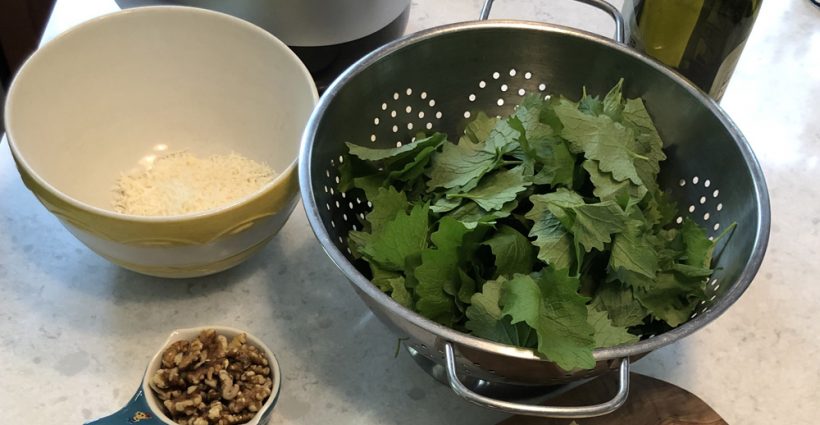
Unless you’ve tasted one for yourself, you might be wondering just why in the world so many people are interested in ramps. After all, there are dozens of seemingly similar onions growing in the wild, so what’s all the fuss about? Well, ramps have a delicious flavor and aroma that most people compare to a mixture of white onions with garlic. You can sautee them in a pan with some butter, olive oil or animal fat to give them even more flavor.
Ramps can be used as an ingredient in a variety of dishes, including hamburgers, eggs, meatloaf, pasta, salads and countless other foods. Ramps are also eaten raw without any other ingredients.
Ramps are one of the earliest spring-blooming plants in the wild. If you find yourself in one of the eastern states where they grow, look directly under shaded patches of forests for them. Ramps prefer to grow in the semi-shaded areas underneath the cover of trees. They tend to grow and spread in drifts. When harvesting be sure not to pull out too many from one area because it takes years for them to regenerate.
Tags: Allium tricoccum, ramps Posted in At Home With Birds | No Comments »
May 16th, 2013
 Skunk Cabbage
Some plants and flowers emit a foul-smelling odor that’s difficult to be around. Skunk cabbage (Symplocarpus foetidus) is one such type of perennial wildflower that’s notorious for its pungent odor, particularly if you bruise or break off a leaf. Some people compare it to rotten meat. But like most plants, there are both advantages and disadvantages to growing skunk cabbage.
Appearance and Physical Characteristics
Skunk cabbage begins to blossom in the early spring months. It’s most easily identified by a yellow spadix encapsulated with a brownish-purple pod called a spathe. When skunk cabbage reaches a height of 2-3 feet tall, the leaves will unroll, revealing a lush green center inside the plant. This typically occurs during the late spring to early summer months when the temperatures have warmed.
Skunk cabbage will possess these large green leaves until the fall season approaches, at which point they will slowly fall off and rot. The cycle will repeat itself during the following spring. Skunk cabbage has the unique ability to emit enough heat to melt the surrounding snow, which is one of the reasons why it blooms so early in the year.
Although they can grow in a wide variety of conditions. skunk cabbage prefers a wet, moist growing medium. It does not produce a flower, just leaves.
Disadvantages To Growing Skunk Cabbage
One disadvantage to growing skunk cabbage in the garden is the fact that it’s toxic to mammals. Insects can feast on their leaves without any ill side effects, but large doses of skunk cabbage can prove to be toxic to people, dogs and cats.
Advantages To Growing Skunk Cabbage
So, what good comes from growing skunk cabbage in the garden? Along with its large green leaves that open up around mid to late spring, skunk cabbage also attracts beneficial insects. After adding them into your garden, you’ll likely notice more bees, butterflies and ladybugs. Some of these insects work to kill off the bad garden pests, while others help to pollinate the plants in your garden.
Tags: skunk cabbage Posted in spring | No Comments »
April 24th, 2013
Earlier this month, I had the privilege of visiting George Washington’s Mount Vernon Estate in the beautiful State of Virginia. (I had not been there since 8th grade!) This historic landmark was Washington’s home as well as his resting place, and is the most visited historic home in America. Over the years, it has been well preserved by The Mount Vernon Ladies’ Association so tourists may come and learn history and marvel at its beauty. While there were many breathtaking structures and natural wonders here, the gardens were of particular interest to me. Here we’ll take a closer look at the Mount Vernon gardens.
Historians report that George Washington was an avid gardener and farmer who spent countless hours improving his land. Even as the Revolutionary War was in full force, he would find time to make his way home to work in his garden for brief intervals, or send detailed planting instructions to his gardener. He believed that the future of America depended on a strong agricultural economy.
Lower Garden
The lower garden (AKA southern garden) is nestled between the storehouse and clerk’s quarters. It features an array of fruits, vegetables and herbs growing down a well-manicured path. On the south end of the garden, there’s a stable where horses are kept. The previous burial site of George (known as the Old Tomb) is also located towards the Potomac River not far from the lower garden.
His gardens were walled gardens to keep out pests. (Sound familiar?) But the clay bricks, made on his property from Virginia soil, also functioned to raise the temperature inside the walls and create a warm micro climate. He also used the walls to espalier fruit trees, which was a space saving and perhaps decorative way to grow apples, cherries and pears.
Upper Garden
The upper garden (AKA northern garden) is located to the north of George’s estate and is bordered by a large, fully-functional greenhouse. Just two years ago, horticulturalists worked to transform the upper garden into its original 1799 layout. Tourists visiting the upper garden during the spring will be pleasantly surprised to see a lush, vibrant garden that’s full of colors. It features a French style parterre garden, perhaps a tribute to George’s close association with the Marquis de Lafayette. George Washington never traveled abroad during his lifetime, but his gardens show that he was well versed in traditional French and English garden design.
When George Washington returned home in 1797 after serving as President for 8 years, he threw himself into Mt. Vernon’s five farms and the gardens close to the main house. Sadly, he had only two years of retirement, dying suddenly in December, 1799.
There are 3 trees on the estate that were planted by George Washington, or by others during his lifetime. The one shown below is a pecan tree planted by the Mt. Vernon Ladies Association in the 19th century.
Hopefully, this will inspire you to see George Washington’s Mount Vernon Estate for yourself. It’s a historically rich site that is loaded with beautiful plant and wildlife.
Tags: george washington, mount vernon, virginia Posted in spring | No Comments »
April 24th, 2013
I recently had the pleasure of visiting the NY Botanical Garden Orchid Show, where one plant seemed to stand out above the rest, and it’s not even an orchid. 
Osa pulchra is a member of the coffee family Rubiaceae. Many other species of plants in the same coffee family possess trumpet-shaped flowers like Osa pulchra. However this plant has large, showy, trumpet-shaped flowers that are cotton-white against shiny green leaves. Unfortunately, however, it’s also an extremely rare plant that’s quite difficult to grow in your garden.
Osa Pulchra Background
Osa pulchra is native to Costa Rica where, until recently, the only populations of this flowering plant were known to exist in the wild. In the past few years, a small population of Osa pulchra have also been discovered in the Panama region. So, just how rare is this trumpet plant? According to some horticulturalists, there are approximately 30-40 Osa pulchra specimens living in the wild.
Some experts believe the plant was bred by humans many centuries ago. Although there’s no scientific evidence to support this theory, Osa pulchra’s close proximity to villages in Costa Rica leave some to believe that it was created by locals living there.
The plant’s genus gets its name from the Osa peninsula, which is located in southwestern Costa Rica. It’s believed that nearly half of all species living in Costa Rica inhabit the Osa peninsula, and it’s also where one of the major populations of Osa pulchra grow.
Growing Osa Pulchra
Unfortunately, growing Osa pulchra is difficult if not impossible in most cases. Quite possibly the biggest hurdle gardeners face is acquiring a seed. As previously stated, Osa pulchra is one of the rarest plants known, both in its cultivated and wild state; therefore, you can expect some difficulties trying to find a seed. Instead of scouring the Earth in search of a seed, you should check out some of the cultivated specimens. The NY Botanical Orchid Show just wrapped up this past weekend, so you’ll need to look elsewhere for Osa pulchra. The US Botanic Garden in Washington, DC currently has some Osa pulchra specimens on display, so check it out if you find yourself in the area. The bragging rights of seeing this plant in perso make it worth the effort.
Tags: osa pulchra Posted in Rare Plants | No Comments »
April 12th, 2013
 Cercis Canadensis
Have you heard of the Cercis canadensis (Eastern Redbud) or Cercis chinensis (Chinese Redbud) before? These two medium to large sized plants bloom with bold pink/magenta-colored flowers that are a real treat to any garden or lawn. If you are looking for a colorful addition to your home’s exterior, you simply can’t go wrong with either of these choices. Here we’ll take a closer look at both Cercis canadensis and Cercis chinensis, covering some of the unique characteristics associated with them.
 Cercis Canadensis
Cercis Canadensis
Also known as the Eastern Redbud, Cercis canadensis is a deciduous plant that’s native to North and Central America. It features a short trunk that twists out where the flower-producing branches originate.
In terms of size, Cercis canadensis can grow to impressive heights of 25-30 feet with a 23-33 foot spread. Of course, the most attractive feature of this large shrub are the flowers that are typically pink to light magenta in color. With the dark grey bark contrasting against it, the flowers on Cercis canadensis are quite pleasing to look at, which is one of the reasons why so many homeowners choose to grow them on their property.
Cercis ccanadensis blooms during April and can be grown in either full sun or partial shade. Although they are considered a “low-maintenance” plant, you’ll need to ensure the soil is moist to create a habitable environment for Cercis canadensis to grow.
Cercis Chinensis
Cercis chinensis, or Chinese Redbud, is similar in appearance to the Eastern Redbud but with some notable differences that can’t be overlooked. For starters, Cercis chinensis trees can grow to heights of 50 feet, which is nearly twice the size of the Eastern Redbud. Cercis chinensis shrubs, however, grow slightly smaller with a height of just 15-25 feet. The flowers on Cercis chinensis are also a bit darker and more purple colored, blooming in pea-shaped pods.
As the name suggests, the Chinese Redbud is native to the region of China where some of the tallest specimens have been recorded. They’ve since been introduced into the U.S. with success but grow much smaller in more of a shrub-like fashion. They are a fairly low-maintenance plant that can be grown in either full sun or partial shade, much like the Cercis chinensis previously mentioned.
Cercis chinensis blooms between the end of March to early April. Its flowers will remain open for approximately 2-3 weeks before they are covered by the less-vibrant foliage.
Tags: Cercis Canadensis, Cercis Chinensis Posted in spring | No Comments »
April 8th, 2013
 Tiger Lily After Raining
Have you noticed water pooling up in areas of your garden after a good rain? This is an all-too-common problem that can lead to the destruction and downfall of an otherwise beautiful garden. These pools of water create the perfect breeding environment for bacteria and fungus to thrive, placing your plants at risk for both disease and drowning. In addition, excessive water can erode the soil, washing away all the long hours and hard work you put into it. The good news, however, is that there are effective methods out there for improving garden drainage.
#1 – Soil
Gardens that suffer from poor drainage tend to have hard, compact soil that doesn’t absorb as much water as it should. When this occurs, the water will simply run off the top layer without absorbing deep into the soil. There are a couple of things you can do to make your soil more absorbent, one of which is to aerate it. Using a spade, try mixing up some of the soil around your garden. As you do this, add in some chopped up leaves, pine straw or other organic plant material. This will increase the amount of oxygen and moisture that’s able to pass through it.
 Watering Can In Arid Garden
#2 – Raise Your Garden
Another option is to raise your garden slightly higher than where it’s currently at. For this, you’ll need to construct retainer walls out of plywood or some other suitable material and then fill it with topsoil. Since the garden is raised higher than the rest of your landscape, water will naturally run downwards during a heavy rain or storm.
#3 – Trenches
A third method that’s useful for improving garden drainage is to build trenches that allow you to control the exact water runoff. This is arguably the easiest method that doesn’t involve completely restructuring your garden. Don’t just shovel trenches into your garden, though, but instead dig out small trenches and fill them with gravel. The gravel will prevent your soil from eroding once the trenches fill with water. If you intend on using this method, make sure the trenches are designed to completely remove the water from the garden and any surrounding area. You don’t want to channel the water right outside your garden where it gathers before flowing back down into it.
Tags: drainage, garden Posted in How-To Projects | No Comments »
March 29th, 2013
With Easter Sunday just days away, people everywhere are frantically trying to make last minute preparations. If you plan on having guests or family members over for the holiday, you should consider using some plants or flowers to bring a fresh new decorative element to your home. The vibrant colors and pleasing aromas they offer are sure to draw compliments from guests. If you are wondering which ones to choose, keep reading and I’ll reveal the top 5 Easter-time plants and flowers.
 Easter Lily
1) Easter Lilies
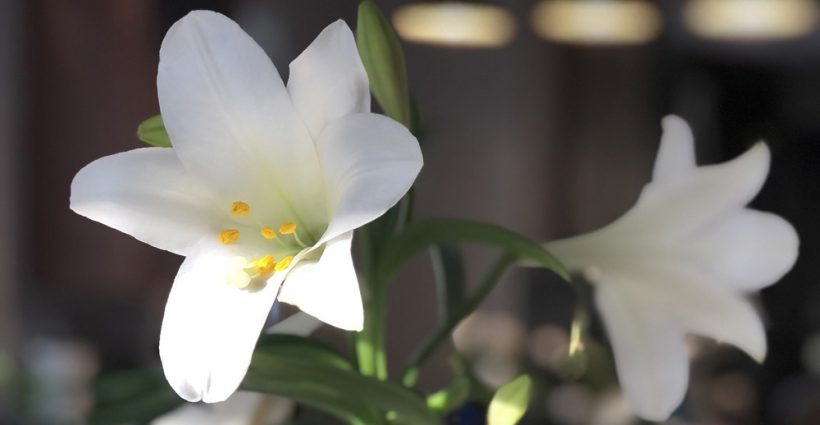
With a name like “Easter lilies,” how could we not choose this flower as our number one choice? The Easter lily (Lilium longiflorum) is native to Japan and features majestic trumpet-like blooms in a snow-white color. Because of its short height, attractive appearance and rich history, Easter lilies make wonderful houseplants for the Easter time.
2) Azaleas
Azaleas are a spring-blooming flowering shrub that are native to southeastern US. They are a great choice for shaded garden areas, as they require minimal light to grow. Azaleas typically have one small blossom per stem, coming in a variety of attractive colors.
 Red Tulips
3) Tulips
Tulips (genus Tulipa) are a group of colorful perennial plants with over 100 different species. They are native to Europe, Turkey, Israel, Anatolia, Africa, Iran and China, but have since been successfully introduced into many other regions. Because they are such an attractive spring-blooming flower, tulips are the perfect choice for Easter time. Typically, each tulip plant only produces one flower per stem; although, there are a few hybrids that may spider out with multiple flowers. In terms of appearance, tulips can be found in just about every color under the sun with the exception of pure blue.
 Daffodil
4) Daffodils
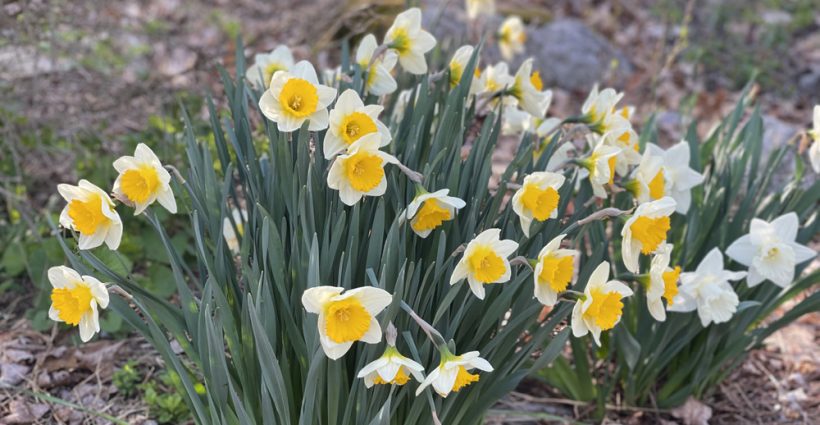
Another great flower choice for Easter are daffodils, which are native to the regions of Europe, Africa and parts of West Asia.
Although no one knows exactly how many different species of daffodils are currently out there, some horticulturalists believe there could be upwards of 60 variates. They are a popular choice for outdoor gardens because of their attractive, colorful appearance. You can find daffodils in a wide variety of colors ranging from yellow to white.
5) Hyacinth
Hyacinth is a small flowering plant that just looks like it was meant for Easter time. After blooming, each bulbs produce up to half a dozen leaves with 1-3 blue/purple flowers. Hyacinth is native to the Mediterranean, Iran and parts of Turkmenistan. On a side note, Hyacinth are considered toxic since they contain oxalic acid; therefore, it’s recommended that you always wear gloves working with them
Tags: easter, easter flowers, easter plants Posted in spring | No Comments »
March 22nd, 2013
 Streptocarpella saxorum taken from my aunt’s house in Minnesota
There are lots of houseplants which I love, but my favorite would have to be streptocarpella saxorum. The tongue-twisting name alone might dissuade some potential homeowners from growing this plant, but chances are you’ll immediately fall in love after seeing it for the first time. It’s also quite easy to grow, requires minimal light and maintenance, and it blooms year round. If you are looking for an easy-to-grow houseplant, pick up a streptocarpella saxorum from your local nursery. Call first to see if they have it, and if they don’t, suggest they bring it in. I grow mine indoors on windowsills and in my greenhouse, but they also make a lovely outdoor container plant.
This was one of my gardening New Year’s Resolutions last year: Propagate lots of streptocarpella saxorum plants in my greenhouse to give as gifts (the parent came from my friend and horticulturist Ruth Clausen, and it made a lovely gift!) What started as a cutting in this little glass of water has turned into several large plants that bloom incessantly on a windowsill in my kitchen. I gave one to my mother this winter and it is blooming nicely on her kitchen windowsill.
A Quick Overview of Streptocarpella Saxorum
 Streptocarpella saxorum planted in container Minnesota
Upon blossoming, streptocarpella saxorum will feature several nodes with bright purple-colored flowers opening at the tips. The plant only grows to a height of 6-12 inches, but it can spread wide to about 12 inches. I grow them on a windowsill.
The flowers on streptocarpella saxorum grow to about an inch long with a slanted tube running down the center of them. Most streptocarpella saxorum flowers bloom with purple colors, but there are some blue varieties as well.
It’s important to note that too much sunlight may burn streptocarpella saxorum. If you place it in an area of your home that receives constant sunlight throughout the majority of the day, you’ll need to monitor it to ensure your plant doesn’t burn. Check both the leaves and soil for signs of dryness. One precaution you can take to help prevent this is to keep your streptocarpella saxorum plants thoroughly moist. Also, like african violets, their velvety leaves will discolor if you get water on them and then expose the leaves to the sun. It’s best to water them from the bottom up (filling their saucer with water), or water carefully from the top, avoiding the leaves.
Streptocarpella saxorum can also be grown outdoors in the right conditions. Regions with excessively cold winter months will likely prove to be too much for this delicate plant. It prefers warm, humid environments to grow and prosper.
Hopefully, this will give you a better understanding of streptocarpella saxorum and what to expect when growing this plant. These purple-blue violets are attractive, easy to grow and make wonderful houseplants.
Posted in At Home With Birds | No Comments »
March 19th, 2013
We have a purple clematis that climbs up the south side of our screen porch. It’s a summer blooming variety so I prune it in the Spring. (Spring blooming clematis are usually pruned the previous fall.)
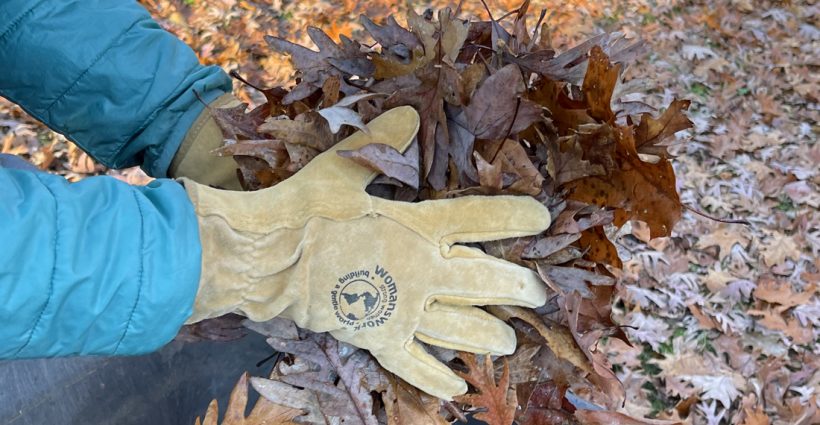
I worked my way up from the bottom, clipping off dead wood right next to emerging buds. I was wearing my Womanswork “Digger” garden gloves (in teal blue).
When working with a tangle of vines and leaves and side shoots, it’s easy to make the mistake of cutting vines that you wish you hadn’t. I know because I did it one year. This time I was careful to untangle the long vines to separate them from the little side shoots that attach themselves to them. Some of the side shoots that wrap their tendrils around the longer vines are worth keeping because they provide support.
I use teacup hooks to hold the vines to the side of the house.
After I finish my pruning it looks much neater and the buds will have more air and light to help them grow. There is nothing more for me to do but wait until June to see the beautiful deep purple flowers. Last year, according to my garden notebook, our clematis was blooming the last week in June, but this year it may bloom earlier. So far, everything else in my garden is happening a lot earlier than last year.
Tags: clematis, pruning, spring Posted in How-To Projects | No Comments »
March 12th, 2013
Mother nature can be quite unpredictable to say the least. Sometimes in early Spring after bulbs have emerged from the ground and are beginning to flower, a sudden cold snap will bring temperatures down below freezing for a few days. I always wonder what will happen to those delicate plants when temperatures fall so unexpectedly. More often than not, I’m amazed at the resiliency of these hardy plants.
 Yellow Tulips
The exact effect caused by a sudden cold snap depends on a number of different factors, including the type of plant, regional location, temperature and length of snap. Remember, cold snaps are defined as a short and sudden spell of cold weather; therefore, the temperatures should rise back to their normal levels within a couple of days.
Tulips
Because they bloom early in the spring, tulips can handle short cold snaps with ease. As long as the temperatures go back within 48 hours, they won’t suffer any serious damage. A tulip’s shoots and buds are usually the most protected from the cold, as they have a natural barrier against the cold weather. On the other hand, tulips with open blossoms may experience a slight burn from the freezing temperatures, especially if it lasts for longer than 48 hours.
 Blooming Daffodil
Daffodils
There are many varieties of daffodils, all of which blossom in spring. When a cold snap approaches, gardeners are oftentimes fearful of the effects it will have. Like tulips, however, daffodils are naturally protected against mild-to-moderate cold snaps. If you believe the freezing temperatures are going to last longer than expected, you can place some extra mulch around the base of your daffodils for an added layer of thermal protection. Once the temperatures begin to rise again, though, you’ll need to remove the mulch so the daffodils can easily breathe again.
Hyacinth
Hyacinth is a plant that’s native to the eastern Mediterranean, Iran and Turkmenistan, but it’s since been successfully introduced into several other regions. This bulbous flowering plant blooms with bright purplish blue coloring that’s a welcomed addition to any garden. So, how well does hyacinth handle short spells of cold weather? Some gardeners will find they do quite well, while others may experience their plants going into shock. Hyacinth is considered a spring-blooming flower, but this doesn’t necessary mean they will withstand freezing temperatures. The best thing you can do in the event of sudden cold snaps is to protect hyacinth with extra mulch for additional warmth.
Tags: cold snaps, tulips, winter Posted in Winter Topics | No Comments »
|